Dormir al sol es una novela fantástica escrita por Adolfo Bioy Casares y publicada en 1973. En 2014, con motivo de cumplirse los 100 años del nacimiento de este escritor, Booket sacó una edición especial de sus libros a un precio bastante accesible. Aproveché la ocasión y me compré El sueño de los héroes (pueden leer mi reseña aquí) y Dormir al sol.
¡Cuidado! No lean la sinopsis que está en la contratapa del libro porque revela demasiados detalles sobre la trama y además contiene un error. A continuación, les dejo una sinopsis que armé, libre de spoilers.
Diana y Lucho son un matrimonio común y corriente que vive en un barrio de Buenos Aires. Lucho es relojero y Diana, ama de casa. Diana tiene un carácter complicado y, unos años atrás, estuvo internada en un hospital psiquiátrico. En el barrio, vive el profesor Standle, un alemán que se dedica a entrenar perros. Diana quiere adoptar un perro, pero a pesar de ir todos los días a la escuela canina de Standle, no logra decidirse por ningún perro en particular. Standle le dice a Lucho que es necesario internar a Diana en un sanatorio llamado Instituto Frenopático. Luego de pasar un tiempo en este sanatorio, Diana vuelve a su casa. Aunque es la misma de siempre, su personalidad cambió bastante.
La novela está escrita en primera persona. El narrador es Lucho quien, por medio de cartas, le relata los extraños hechos que acontecieron en su vida a su amigo Félix Ramos. La novela se lee rápido ya que los capítulos son cortos. Enseguida me enganché con los personajes; hay muchos diálogos y esto agiliza la historia, que va fluyendo con naturalidad. También contiene cierto humor que le suma más entretenimiento al libro.
Es interesante como se mezcla lo cotidiano con lo fantástico en este libro. Los personajes son bien argentinos. Me sentí muy identificada porque, al igual que yo, Lucho y Diana viven en un pasaje. Hay dos frases que anoté sobre esto: "los que vivimos en un pasaje tenemos la casa en una casa más grande" y "un pasaje es un barrio dentro del barrio". En este ambiente tan real de pronto irrumpe la fantasía y descoloca al lector. Me di cuenta de que estas historias fantásticas me gustan más que las épicas. Siento que el choque entre la realidad y la fantasía le da un toque especial a la historia y provoca un mayor golpe de efecto en el lector.
Hace unos años atrás había leído La invención de Morel, novela que es uno de mis libros preferidos. Luego, leí algunos cuentos sueltos de Bioy Casares, que me parecieron interesantes. Pero ahora, con esta novela, me volví fanática de este escritor y quiero leer todos sus libros. Lo sumé al podio de mis escritores argentinos preferidos junto con Cortázar y Borges.
Como febrero es el mes de San Valentín, elegí un cuento de amor. Se trata de An Heiress from Redhorse de Ambrose Bierce, un escritor, periodista y editorialista estadounidense. Bierce desapareció en México y se cree que fue fusilado durante la guerra civil mexicana. Los memoriosos recordarán la película Gringo viejo de Luis Puenzo, basada en la novela del mismo título de Carlos Fuentes, donde se relata este hecho.
Pueden leer la traducción al español aquí. Si desean escuchar el cuento mientras lo leen en inglés, acá les dejo un video con el audio.
An Heiress from Redhorse
CORONADO, June 20th.
I find myself more and more interested in him. It is not, I am sure, his--do you know any noun corresponding to the adjective "handsome"? One does not like to say "beauty" when speaking of a man. He is handsome enough, heaven knows; I should not even care to trust you with him--faithful of all possible wives that you are-- when he looks his best, as he always does. Nor do I think the fascination of his manner has much to do with it. You recollect that the charm of art inheres in that which is undefinable, and to you and me, my dear Irene, I fancy there is rather less of that in the branch of art under consideration than to girls in their first season. I fancy I know how my fine gentleman produces many of his effects, and could, perhaps, give him a pointer on heightening them. Nevertheless, his manner is something truly delightful. I suppose what interests me chiefly is the man's brains. His conversation is the best I have ever heard, and altogether unlike anyone's else. He seems to know everything, as, indeed, he ought, for he has been everywhere, read everything, seen all there is to see--sometimes I think rather more than is good for him--and had acquaintance with the QUEEREST people. And then his voice--Irene, when I hear it I actually feel as if I ought to have PAID AT THE DOOR, though, of course, it is my own door.
July 3d.
I fear my remarks about Dr. Barritz must have been, being thoughtless, very silly, or you would not have written of him with such levity, not to say disrespect. Believe me, dearest, he has more dignity and seriousness (of the kind, I mean, which is not inconsistent with a manner sometimes playful and always charming) than any of the men that you and I ever met. And young Raynor--you knew Raynor at Monterey--tells me that the men all like him, and that he is treated with something like deference everywhere. There is a mystery, too--something about his connection with the Blavatsky people in Northern India. Raynor either would not or could not tell me the particulars. I infer that Dr. Barritz is thought--don't you dare to laugh at me--a magician! Could anything be finer than that? An ordinary mystery is not, of course, as good as a scandal, but when it relates to dark and dreadful practices-- to the exercise of unearthly powers--could anything be more piquant? It explains, too, the singular influence the man has upon me. It is the undefinable in his art--black art. Seriously, dear, I quite tremble when he looks me full in the eyes with those unfathomable orbs of his, which I have already vainly attempted to describe to you. How dreadful if we have the power to make one fall in love! Do you know if the Blavatsky crowd have that power-- outside of Sepoy?
July 1
The strangest thing! Last evening while Auntie was attending one of the hotel hops (I hate them) Dr. Barritz called. It was scandalously late--I actually believe he had talked with Auntie in the ballroom, and learned from her that I was alone. I had been all the evening contriving how to worm out of him the truth about his connection with the Thugs in Sepoy, and all of that black business, but the moment he fixed his eyes on me (for I admitted him, I'm ashamed to say) I was helpless, I trembled, I blushed, I-- O Irene, Irene, I love the man beyond expression, and you know how it is yourself!
Fancy! I, an ugly duckling from Redhorse--daughter (they say) of old Calamity Jim--certainly his heiress, with no living relation but an absurd old aunt, who spoils me a thousand and fifty ways-- absolutely destitute of everything but a million dollars and a hope in Paris--I daring to love a god like him! My dear, if I had you here, I could tear your hair out with mortification.
I am convinced that he is aware of my feeling, for he stayed but a few moments, said nothing but what another man might have said half as well, and pretending that he had an engagement went away. I learned to-day (a little bird told me--the bell bird) that he went straight to bed. How does that strike you as evidence of exemplary habits?
July 17th.
That little wretch, Raynor, called yesterday, and his babble set me almost wild. He never runs down--that is to say, when he exterminates a score of reputations, more or less, he does not pause between one reputation and the next. (By the way, he inquired about you, and his manifestations of interest in you had, I confess, a good deal of vraisemblance.)
Mr. Raynor observes no game laws; like Death (which he would inflict if slander were fatal) he has all seasons for his own. But I like him, for we knew one another at Redhorse when we were young and true-hearted and barefooted. He was known in those far fair days as "Giggles," and I--O Irene, can you ever forgive me?--I was called "Gunny." God knows why; perhaps in allusion to the material of my pinafores; perhaps because the name is in alliteration with "Giggles," for Gig and I were inseparable playmates, and the miners may have thought it a delicate compliment to recognize some kind of relationship between us.
Later, we took in a third--another of Adversity's brood, who, like Garrick between Tragedy and Comedy, had a chronic inability to adjudicate the rival claims (to himself) of Frost and Famine. Between him and the grave there was seldom anything more than a single suspender and the hope of a meal which would at the same time support life and make it insupportable. He literally picked up a precarious living for himself and an aged mother by "chloriding the dumps," that is to say, the miners permitted him to search the heaps of waste rock for such pieces of "pay ore" as had been overlooked; and these he sacked up and sold at the Syndicate Mill. He became a member of our firm--"Gunny, Giggles, and Dumps," thenceforth--through my favor; for I could not then, nor can I now, be indifferent to his courage and prowess in defending against Giggles the immemorial right of his sex to insult a strange and unprotected female--myself. After old Jim struck it in the Calamity, and I began to wear shoes and go to school, and in emulation Giggles took to washing his face, and became Jack Raynor, of Wells, Fargo & Co., and old Mrs. Barts was herself chlorided to her fathers, Dumps drifted over to San Juan Smith and turned stage driver, and was killed by road agents, and so forth.
Why do I tell you all this, dear? Because it is heavy on my heart. Because I walk the Valley of Humility. Because I am subduing myself to permanent consciousness of my unworthiness to unloose the latchet of Dr. Barritz's shoe. Because-oh, dear, oh, dear--there's a cousin of Dumps at this hotel! I haven't spoken to him. I never had any acquaintance with him, but--do you suppose he has recognized me? Do, please, give me in your next your candid, sure- enough opinion about it, and say you don't think so. Do you think He knows about me already and that is why He left me last evening when He saw that I blushed and trembled like a fool under His eyes? You know I can't bribe ALL the newspapers, and I can't go back on anybody who was good to Gunny at Redhorse--not if I'm pitched out of society into the sea. So the skeleton sometimes rattles behind the door. I never cared much before, as you know, but now--NOW it is not the same. Jack Raynor I am sure of--he will not tell him. He seems, indeed, to hold him in such respect as hardly to dare speak to him at all, and I'm a good deal that way myself. Dear, dear! I wish I had something besides a million dollars! If Jack were three inches taller I'd marry him alive and go back to Redhorse and wear sackcloth again to the end of my miserable days.
July 25th.
We had a perfectly splendid sunset last evening, and I must tell you all about it. I ran away from Auntie and everybody, and was walking alone on the beach. I expect you to believe, you infidel! that I had not looked out of my window on the seaward side of the hotel and seen him walking alone on the beach. If you are not lost to every feeling of womanly delicacy you will accept my statement without question. I soon established myself under my sunshade and had for some time been gazing out dreamily over the sea, when he approached, walking close to the edge of the water--it was ebb tide. I assure you the wet sand actually brightened about his feet! As he approached me, he lifted his hat, saying: "Miss Dement, may I sit with you?--or will you walk with me?"
The possibility that neither might be agreeable seems not to have occurred to him. Did you ever know such assurance? Assurance? My dear, it was gall, downright GALL! Well, I didn't find it wormwood, and replied, with my untutored Redhorse heart in my throat: "I--I shall be pleased to do ANYTHING." Could words have been more stupid? There are depths of fatuity in me, friend o' my soul, which are simply bottomless!
He extended his hand, smiling, and I delivered mine into it without a moment's hesitation, and when his fingers closed about it to assist me to my feet, the consciousness that it trembled made me blush worse than the red west. I got up, however, and after a while, observing that he had not let go my hand, I pulled on it a little, but unsuccessfully. He simply held on, saying nothing, but looking down into my face with some kind of a smile--I didn't know-- how could I?--whether it was affectionate, derisive, or what, for I did not look at him. How beautiful he was!--with the red fires of the sunset burning in the depths of his eyes. Do you know, dear, if the Thugs and Experts of the Blavatsky region have any special kind of eyes? Ah, you should have seen his superb attitude, the godlike inclination of his head as he stood over me after I had got upon my feet! It was a noble picture, but I soon destroyed it, for I began at once to sink again to the earth. There was only one thing for him to do, and he did it; he supported me with an arm about my waist.
"Miss Dement, are you ill?" he said.
It was not an exclamation; there was neither alarm nor solicitude in it. If he had added: "I suppose that is about what I am expected to say," he would hardly have expressed his sense of the situation more clearly. His manner filled me with shame and indignation, for I was suffering acutely. I wrenched my hand out of his, grasped the arm supporting me, and, pushing myself free, fell plump into the sand and sat helpless. My hat had fallen off in the struggle, and my hair tumbled about my face and shoulders in the most mortifying way.
"Go away from me," I cried, half choking. "Oh, PLEASE go away, you--you Thug! How dare you think THAT when my leg is asleep?"
I actually said those identical words! And then I broke down and sobbed. Irene, I BLUBBERED!
His manner altered in an instant--I could see that much through my fingers and hair. He dropped on one knee beside me, parted the tangle of hair, and said, in the tenderest way: My poor girl, God knows I have not intended to pain you. How should I?--I who love you--I who have loved you for--for years and years!"
He had pulled my wet hands away from my face and was covering them with kisses. My cheeks were like two coals, my whole face was flaming and, I think, steaming. What could I do? I hid it on his shoulder--there was no other place. And, oh, my dear friend, how my leg tingled and thrilled, and how I wanted to kick!
We sat so for a long time. He had released one of my hands to pass his arm about me again, and I possessed myself of my handkerchief and was drying my eyes and my nose. I would not look up until that was done; he tried in vain to push me a little away and gaze into my eyes. Presently, when it was all right, and it had grown a bit dark, I lifted my head, looked him straight in the eyes, and smiled my best--my level best, dear.
"What do you mean," I said, "by 'years and years'?"
"Dearest," he replied, very gravely, very earnestly, "in the absence of the sunken cheeks, the hollow eyes, the lank hair, the slouching gait, the rags, dirt, and youth, can you not--will you not understand? Gunny, I'm Dumps!"
In a moment I was upon my feet and he upon his. I seized him by the lapels of his coat and peered into his handsome face in the deepening darkness. I was breathless with excitement.
"And you are not dead?" I asked, hardly knowing what I said.
"Only dead in love, dear. I recovered from the road agent's bullet, but this, I fear, is fatal."
"But about Jack--Mr. Raynor? Don't you know--"
"I am ashamed to say, darling, that it was through that unworthy person's invitation that I came here from Vienna."
Irene, they have played it upon your affectionate friend,
MARY JANE DEMENT.
P.S.--The worst of it is that there is no mystery. That was an invention of Jack to arouse my curiosity and interest. James is not a Thug. He solemnly assures me that in all his wanderings he has never set foot in Sepoy.
Además del desafío de lectura de Goodreads y el de Leer variado de mi blog, decidí participar de otro más. Se trata del reto Leamos en inglés del blog Solo necesito un libro. El año pasado ya participé y cuando vi que este año también se hacía, no dudé en unirme. Pienso leer alrededor de 10 libros en inglés; es la misma meta que me puse el año pasado.
Esta es la lista de libros que quiero leer en inglés este año:
Hoy les traigo una nueva edición de In my mailbox, sección del blog que realizo tres veces al año. In my mailbox es una creación de Alea, del blog Pop Culture Junkie y la extendió el blog The Story Siren. La idea es compartir todos los libros que uno haya adquirido, ya sea comprados, regalados o ganados en concursos. Hoy es el turno de los libros adquiridos entre septiembre y diciembre del año pasado. ¡Son 33! Este número elevado se debe a que a los libros que siempre compro se le suman los de la colección El séptimo círculo que edita Clarín.
Harry Potter and the Deathly Hallows (J. K. Rowling) e Insurgent (Veronica Roth)
Hacía tiempo que quería comprar el último libro de la saga de Harry Potter, pero cuando iba a la librería no lo tenían. El año pasado por fin lo pude conseguir. Insurgent es el segundo libro de la saga distópica Divergent. Empecé a comprarme estos libros porque terminé Los juegos del hambre y tenía ganas de leer otra saga distópica.
La chica del tren (Paula Hawkins) y El marciano (Andy Weir)
Dos libros de los que se habló mucho el año pasado. No suelo leer libros de moda o best sellers ni bien salen, pero este año me animé y compré estas dos novedades. Espero que estén interesantes.
La sombra del viento (Carlos Ruiz Zafón) y El hacedor (Jorge Luis Borges)
Para mi cumpleaños, me compré tres libros, entre los que se encuentran estos dos. Borges es uno de mis escritores preferidos y siempre compro sus libros. De Carlos Ruiz Zafón no leí nada todavía, pero veo que sus libros tienen muy buenas críticas.
El jardín secreto (Johanna Basford)
El otro libro que compré para mi cumpleaños fue El jardín secreto. Pueden leer mi reseña aquí.
El océano perdido (Johanna Basford)
Si leyeron mi reseña de El jardín secreto, habrán visto que me entusiasmé con el arte antiestrés. El mes pasado me enteré de que habían editado El océano perdido en Argentina y me lo autorregalé para Navidad. Cuando comience a pintarlo, seguramente escribiré una reseña con las fotos de los dibujos.
The ABC Murders (Agatha Christie) y Lord of the Flies (William Golding)
Dos libros que compré en inglés. The ABC Murders es uno más de los tantos libros que tengo de Agatha Christie. Creo que es la escritora de la que más libros tengo en mi biblioteca. Lord of the Flies es una novela muy interesante que siempre quise leer.
Feng Shui personal (Viviana Bergmann)
Este libro es muy especial porque la autora es mi prima Viviana Bergmann. No debemos confundir al Feng Shui personal con el de las casas. El Feng Shui personal nos enseña a conocer nuestras dos energías: la externa, que condiciona nuestra manera de ver la vida, y la interna, que nos impone una manera de sentir las emociones. Para entender nuestras energías, debemos entender cómo se relacionan los cinco elementos (el Agua, La Madera, el Fuego, la Tierra y el Metal). El Feng Shui personal nos ayuda a convivir mejor con los compañeros de trabajo, la familia y los amigos.
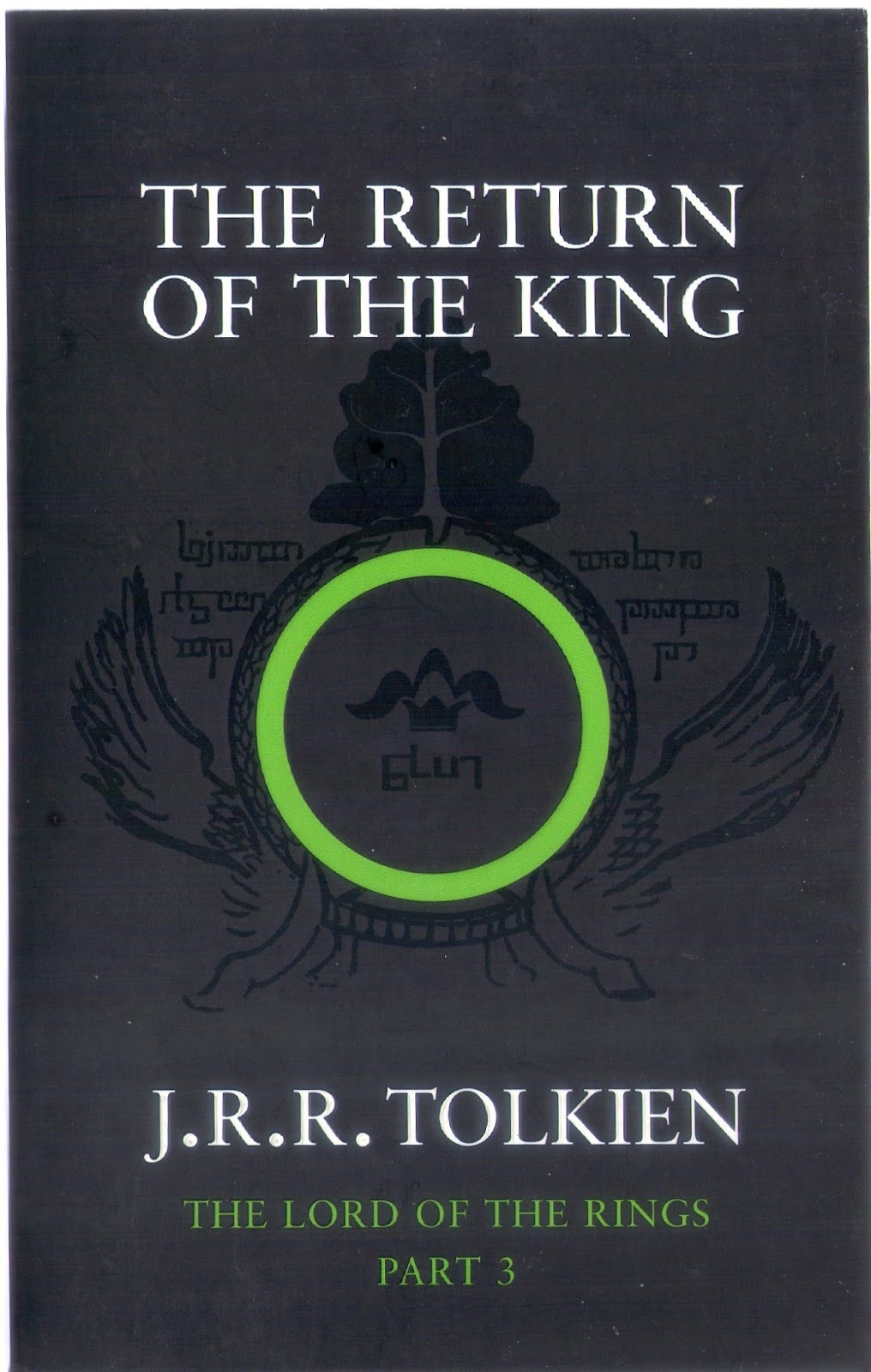
The Fellowship of the Ring, The Two Towers y The Return of the King (J. R. R. Tolkien)
El señor de los anillos hace años que forma parte de mi lista de libros pendientes. Por supuesto, vi las películas y, además, leí El hobbit en 2014. Cuando iba a la librería siempre tenía mala suerte, nunca lo encontraba hasta que este año pude conseguir los tres tomos en inglés. Pienso leerlos todos este año.
El secreto de Jane Austen (Gabriela Margall) y Las viudas de los jueves (Claudia Piñeiro)
No suelo leer muchas novelas románticas, pero al ver el nombre de Jane Austen en el título, una de mis escritoras preferidas, me interesé en el libro de Gabriela Margall. Hace años que quería leer alguna novela de Claudia Piñeiro. El año pasado, compré la edición del décimo aniversario de Las viudas de los jueves. Me encantó, cuando tenga lista la reseña, la publicaré.
Libros de la colección El séptimo círculo
Desde hace varios meses, estoy comprando los libros de esta colección que se consiguen junto al diario Clarín. Son accesibles; solo cuestan $55 cada uno.
Prueba de nervios (Richard Hulk) y Una larga sombra (Anthony Gilbert)
Una bala para el señor Thorold (R. C. Woodthorpe) y Veredictos discutidos (Edgard Lustgarden)
Muerte en el otro cuarto (Anthony Gilbert) y La larga búsqueda del señor Lamousset (Lynn Brock)
Hasta que la muerte nos separe (John Dickson Carr) y El misterio de Edwin Drood (Charles Dickens)
El crucero de la viuda (Nicholas Blake) y El ministerio del miedo (Graham Greene)
Cuestión de pruebas (Nicholas Blake) y Las paredes oyen (Margaret Millar)
El marido (Vera Caspary) y El buscador (Patrick Quentin)
¡Oh envoltura de la muerte! (Nicholas Blake) y En acecho (Lynn Brock)
Cuando me puse a pensar qué poema iba a publicar en el blog en enero, me pareció una buena idea buscar alguna poesía relacionada con el verano. Así fue como llegué a esta página, donde encontré una lista de poemas con esa temática. Elegí el soneto XVIII de William Shakespeare porque justo en ese momento estaba leyendo la novela Sepultado con sus huesos (Interred with Their Bones) de Jennifer Lee Carrell, un libro al estilo de El código Da Vinci o la película La leyenda del tesoro perdido que gira en torno a la identidad de Shakespeare y una obra perdida. En esta novela, se citan continuamente fragmentos de obras del famoso autor inglés, entre los cuales se encuentra este soneto.
Sonnet XVIII: Shall I Compare Thee To A Summer's Day? (William Shakespeare)
Shall I compare thee to a summer's day?
Thou art more lovely and more temperate.
Rough winds do shake the darling buds of May,
And summer's lease hath all too short a date.
Sometime too hot the eye of heaven shines,
And often is his gold complexion dimmed;
And every fair from fair sometime declines,
By chance, or nature's changing course untrimmed.
But thy eternal summer shall not fade
Nor lose possession of that fair thou ow'st;
Nor shall death brag thou wand'rest in his shade,
When in eternal lines to time thou grow'st,
So long as men can breathe or eyes can see,
So long lives this, and this gives life to thee.
Es difícil comprender el inglés de la época de Shakespeare, incluso para los hablantes nativos. En esta página encontré una versión más simple en el inglés actual.
Shall I compare you to a summer's day?
You are more lovely and more constant:
Rough winds shake the beloved buds of May
And summer is far too short:
At times the sun is too hot,
Or often goes behind the clouds;
And everything beautiful sometime will lose its beauty,
By misfortune or by nature's planned out course.
But your youth shall not fade,
Nor will you lose the beauty that you possess;
Nor will death claim you for his own,
Because in my eternal verse you will live forever.
So long as there are people on this earth,
So long will this poem live on, making you immortal.
Para leer tres traducciones de este soneto al español, hagan clic aquí.
Les dejo un video en el que David Tenant lee el soneto.
El 2015 terminó y es hora de hacer un balance de los desafíos de lectura del año que pasó.
Desafío de lectura de Goodreads
Como todos los años, participé del desafío de lectura de Goodreads. Me propuse leer 26 libros y leí 27. El año pasado armé una lista con los libros que quería leer en 2015 (pueden verla aquí). De esa lista leí 13 y se sumaron 14 libros que decidí leer en el momento. Les dejo la lista de todos los libros que leí el año pasado (los primeros 13 son los que estaban en la lista original).
Anne of Geen Gables (Lucy Maud Montgomery)
Historias de Avonlea (Lucy Maud Montgomery)
El túnel (Ernesto Sabato)
Do Androids Dream of Electric Sheep? (Philip Dick)
La historia interminable (Michael Ende)
The Merchant of Venice (William Shakespeare)
The Mysterious Affair at Styles (Agatha Christie)
Harry Potter and the Half-Blood Prince (J. K. Rowling)
Shopaholic Takes Manhattan (Sophie Kinsella)
Dormir al sol (Adolfo Bioy Casares)
Catching Fire (Suzanne Collins)
Antiguos mitos y leyendas de los celtas (Ariel Pytrell)
Bindaline: Sombras del fin del mundo (Ariel Pytrell)
Short Story Writing Competition, Category: 12 years and younger (Varios autores)
La hojarasca (Gabriel García Márquez)
La resistencia (Ernesto Sabato)
Boquitas pintadas (Manuel Puig)
Vigilante nocturno (Melisa S. Ramonda)
El juguete rabioso (Roberto Arlt)
The Memoirs of Sherlock Holmes (Arthur Conan Doyle)
El uso de la puntuación en español(Alicia María Zorrilla)
El uso del verbo y del gerundio en español (Alicia María Zorrilla)
Curso de lingüística general (Ferdinand de Saussure)
Mockingjay (Suzanne Collins)
An Introduction to Language (Victoria Fromkin, Robert Rodman y Nina Hyams)
Harry Potter and the Deathly Hallows (J. K. Rowling)
Las viudas de los jueves (Claudia Piñeiro)
De los libros que leí este año, los que más me gustaron fueron La historia interminable, ¿Sueñan los androides con ovejas eléctricas?, Dormir al sol y Las viudas de los jueves.La historia interminable es un libro que hacía años que quería leer porque cuando era chica, la película basada en el libro era una de mis preferidas (pueden leer la reseña de esta novela aquí). En el caso de ¿Sueñan los androides con ovejas eléctricas?, nunca vi la película Blade Runner y ahora me gustaría verla para compararla con el libro (pueden leer mi reseña aquí). Dormir al sol es una novela del escritor argentino Adolfo Bioy Casares. Aunque ya había leído dos de sus novelas y varios cuentos, es a partir de este libro que me volví fanática y ahora quiero leer todas sus obras. Las viudas de los jueves es la primera novela de Claudia Piñeiro que leo y espero leer más libros de esta escritora en el futuro. Dentro de poco, voy a publicar las reseñas de Dormir al sol y Las viudas de los jueves. Estén atentos.
Leamos en inglés
El año pasado también participé del reto Leamos en inglés del blog Solo necesito un libro. Me propuse leer 10 libros en inglés en 2015 y leí 11. Anne of Green Gables fue una relectura. Ya lo había leído varias veces en castellano cuando era chica y siempre quise leerlo en su idioma original. El año pasado pude conseguir la novela y me di el gusto. Lo disfruté tanto como todas las veces que lo leí.
Short Story Writing Competition, Category: 12 years and younger(Varios autores)
Anne of Green Gables (Lucy Maud Montgomery)
The Memoirs of Sherlock Holmes (Arthur Conan Doyle)
The Mysterious Affair at Styles (Agatha Christie)
Catching Fire (Suzanne Collins)
Mockingjay (Suzanne Collins)
An Introduction to Language (Victoria Fromkin, Robert Rodman y Nina Hyams)
Harry Potter and the Half-Blood Prince (J. K. Rowling)
Harry Potter and the Deathly Hallows (J. K. Rowling)
Shopaholic Takes Manhattan (Sophie Kinsella)
The Merchant of Venice (William Shakespeare)
Oferta 2x1
Otro desafío literario del cual participé el año pasado fue Oferta 2x1 del blog Léase un libro. Consistía en leer un par de libros escritos por un mismo autor. Repetí 6 autores: Lucy Maud Montgomery, Alicia María Zorrilla, Ariel Pytrell, Suzanne Collins, Ernesto Sabato y J. K. Rowling.
Anne of Green Gables eHistorias de Avonlea (Lucy Maud Montgomery) El uso de la puntuación en español y El uso del verbo y del gerundio en español (Alicia María Zorrilla) Antiguos mitos y leyendas de los celtas y Bindaline: Sombras del fin del mundo (Ariel Pytrell)
Catching Fire y Mockingjay (Suzanne Collins) La resistencia y El túnel (Ernesto Sabato) Harry Potter and the Half-Blood Prince y Harry Potter and the Deathly Hallows (J. K. Rowling)
Sagas inconclu...
El desafío Sagas inconclu... también es del blog Léase un libro y consistía en terminar de leer alguna saga. Este año terminé dos sagas: la de Los juegos del hambre y la de Harry Potter. Me encantaron los finales, creo que estuvieron a la altura de las dos sagas.
Catching Fire (reseña) y Mockingjay (reseña)(Suzanne Collins) Harry Potter and the Half-Blood Prince (reseña) y Harry Potter and the Deathly Hallows (J. K. Rowling)
100 libros que hay que leer antes de morir
Hay muchos desafíos similares a este dando vueltas por ahí. Este lo saqué del blog Rincón de tinta y no hay un tiempo límite para cumplirlo. El año pasado, leí 2 libros de los que figuran en la lista. Así que, en total, ya leí 41 de los 100.
37. ¿Sueñan los androides con ovejas eléctricas?,de Phillip K. Dick
Como todos los años, decidí sumarme al desafío de lectura de la red social para lectores Goodreads. La cantidad que me propuse leer es la misma que el año pasado: 26 libros. Siempre calculo un promedio de dos libros por mes y agrego un par más porque algunos libros son cortos. El año pasado leí 27 libros así que me parece una meta que puedo volver a cumplir. Hice una lista de los libros que me gustaría leer este año. No es una lista que voy a cumplir a rajatabla, seguramente durante el año van a aparecer otros libros que voy a querer leer.
Gone with the Wind (Margaret Mitchell)
El secreto de Jane Austen (Gabriela Margall)
The Fellowship of the Ring (J. R. R. Tolkien)
The Two Towers (J. R. R. Tolkien)
The Return of the King (J. R. R. Tolkien)
La sombra del viento (Carlos Ruiz Zafón)
The Girl on the Train (Paula Hawkins)
Tiempo de dragones (Liliana Bodoc)
The Martian (Andy Weir)
The Adventures of Huckleberry Finn (Mark Twain)
A Storm of Swords (George R. R. Martin)
Anne of Avonlea (Lucy Maud Montgomery)
The Blue Castle (Lucy Maud Montgomery)
Divergent (Veronica Roth)
Lord of the Flies (William Golding)
Diario de la guerra del cerdo (Adolfo Bioy Casares)
El hacedor (Jorge Luis Borges)
The Sky is Everywhere (Jandy Nelson)
The ABC Murders (Agatha Christie)
Shopaholic Ties the Knot (Sophie Kinsella)
Ceremonia secreta (Marco Denevi)
Northanger Abbey (Jane Austen)
Catch-22 (Joseph Heller)
Othello (William Shakespeare)
The Innocence of Father Brown (G. K. Chesterton)
El fantasma de la ópera (Gaston Leroux)
¿Ustedes también participan de los desafíos de lectura de Goodreads? ¿Cuántos libros piensan leer? Les recuerdo que además del desafío de Goodreads, también participo de un desafío que creé yo. Para conocer más detalles de mi desafío de lectura Leer variado, hagan clic aquí.
Comienza un año nuevo y se me ocurrió proponerle un desafío a los lectores del blog. Es algo que yo hago siempre y que me caracteriza como lectora: leer variado. Al contrario de mucha gente, que suele leer siempre libros del mismo género, yo soy una lectora ecléctica. Me gusta leer variado porque me aburre leer siempre lo mismo. Además, siento que leer diferentes géneros permite aprender muchas cosas nuevas y nos abre más la mente.
Los desafío a leer estos diferentes tipos de libros durante 2016:
Una novela romántica
Una novela histórica
Una novela policial
Una novela de ciencia ficción
Una novela fantástica
Una novela juvenil
Una novela infantil
Un libro clásico
Un libro de poesía
Un libro de cuentos
Una obra de teatro
Un thriller
Un libro que forma parte de una saga
Un libro de no ficción
Pueden elegir los libros que quieran (si hay algún género que desconocen y no saben qué leer, pueden preguntarme y les recomiendo alguno). Si tienen tiempo, ganas y un blog, pueden escribir una reseña de cada libro que lean. Si un libro pertenece a varios géneros van a tener que elegir uno. Por ejemplo, pienso leer Lo que el viento se llevó que puede considerarse un clásico y además, una novela romántica e histórica. Entre las tres opciones que hay, elijo considerarla una novela histórica en este desafío. Como novela romántica, pienso leer El secreto de Jane Austen de Gabriela Margall y como clásico, Northanger Abbey de Jane Austen (soy fan de Jane Austen por si no se dieron cuenta).
Si deciden unirse a este desafío, dejen un comentario en la entrada. Si lo anuncian en su blog, no se olviden de decir que lo vieron en mío. ¡Feliz año nuevo!
Como hoy es Navidad, decidí que el cuento de este mes tenga una temática navideña. Elegí "El regalo de los Reyes Magos" de O. Henry, uno de mis cuentistas preferidos. Espero que lo disfruten.¡Feliz Navidad para todos los lectores del blog!
One dollar and eighty-seven cents. That was all. And sixty cents of it was in pennies. Pennies saved one and two at a time by bulldozing the grocer and the vegetable man and the butcher until one's cheeks burned with the silent imputation of parsimony that such close dealing implied. Three times Della counted it. One dollar and eighty-seven cents. And the next day would be Christmas.
There was clearly nothing left to do but flop down on the shabby little couch and howl. So Della did it. Which instigates the moral reflection that life is made up of sobs, sniffles, and smiles, with sniffles predominating.
While the mistress of the home is gradually subsiding from the first stage to the second, take a look at the home. A furnished flat at $8 per week. It did not exactly beggar description, but it certainly had that word on the look-out for the mendicancy squad.
In the vestibule below was a letter-box into which no letter would go, and an electric button from which no mortal finger could coax a ring. Also appertaining thereunto was a card bearing the name "Mr. James Dillingham Young."
The "Dillingham" had been flung to the breeze during a former period of prosperity when its possessor was being paid $30 per week. Now, when the income was shrunk to $20, the letters of "Dillingham" looked blurred, as though they were thinking seriously of contracting to a modest and unassuming D. But whenever Mr. James Dillingham Young came home and reached his flat above he was called "Jim" and greatly hugged by Mrs. James Dillingham Young, already introduced to you as Della. Which is all very good.
Della finished her cry and attended to her cheeks with the powder rag. She stood by the window and looked out dully at a grey cat walking a grey fence in a grey backyard. To-morrow would be Christmas Day, and she had only $1.87 with which to buy Jim a present. She had been saving every penny she could for months, with this result. Twenty dollars a week doesn't go far. Expenses had been greater than she had calculated. They always are. Only $1.87 to buy a present for Jim. Her Jim. Many a happy hour she had spent planning for something nice for him. Something fine and rare and sterling - something just a little bit near to being worthy of the honour of being owned by Jim.
There was a pier-glass between the windows of the room. Perhaps you have seen a pier-glass in an $8 Bat. A very thin and very agile person may, by observing his reflection in a rapid sequence of longitudinal strips, obtain a fairly accurate conception of his looks. Della, being slender, had mastered the art.
Suddenly she whirled from the window and stood before the glass. Her eyes were shining brilliantly, but her face had lost its colour within twenty seconds. Rapidly she pulled down her hair and let it fall to its full length.
Now, there were two possessions of the James Dillingham Youngs in which they both took a mighty pride. One was Jim's gold watch that had been his father's and his grandfather's. The other was Della's hair. Had the Queen of Sheba lived in the flat across the airshaft, Della would have let her hair hang out of the window some day to dry just to depreciate Her Majesty's jewels and gifts. Had King Solomon been the janitor, with all his treasures piled up in the basement, Jim would have pulled out his watch every time he passed, just to see him pluck at his beard from envy.
So now Della's beautiful hair fell about her, rippling and shining like a cascade of brown waters. It reached below her knee and made itself almost a garment for her. And then she did it up again nervously and quickly. Once she faltered for a minute and stood still while a tear or two splashed on the worn red carpet.
On went her old brown jacket; on went her old brown hat. With a whirl of skirts and with the brilliant sparkle still in her eyes, she cluttered out of the door and down the stairs to the street.
Where she stopped the sign read: 'Mme Sofronie. Hair Goods of All Kinds.' One Eight up Della ran, and collected herself, panting. Madame, large, too white, chilly, hardly looked the 'Sofronie.'
"Will you buy my hair?" asked Della.
"I buy hair," said Madame. "Take yer hat off and let's have a sight at the looks of it."
Down rippled the brown cascade.
"Twenty dollars," said Madame, lifting the mass with a practised hand.
"Give it to me quick" said Della.
Oh, and the next two hours tripped by on rosy wings. Forget the hashed metaphor. She was ransacking the stores for Jim's present.
She found it at last. It surely had been made for Jim and no one else. There was no other like it in any of the stores, and she had turned all of them inside out. It was a platinum fob chain simple and chaste in design, properly proclaiming its value by substance alone and not by meretricious ornamentation - as all good things should do. It was even worthy of The Watch. As soon as she saw it she knew that it must be Jim's. It was like him. Quietness and value - the description applied to both. Twenty-one dollars they took from her for it, and she hurried home with the 78 cents. With that chain on his watch Jim might be properly anxious about the time in any company. Grand as the watch was, he sometimes looked at it on the sly on account of the old leather strap that he used in place of a chain.
When Della reached home her intoxication gave way a little to prudence and reason. She got out her curling irons and lighted the gas and went to work repairing the ravages made by generosity added to love. Which is always a tremendous task dear friends - a mammoth task.
Within forty minutes her head was covered with tiny, close-lying curls that made her look wonderfully like a truant schoolboy. She looked at her reflection in the mirror long, carefully, and critically.
"If Jim doesn't kill me," she said to herself, "before he takes a second look at me, he'll say I look like a Coney Island chorus girl. But what could I do - oh! what could I do with a dollar and eighty-seven cents?"
At 7 o'clock the coffee was made and the frying-pan was on the back of the stove hot and ready to cook the chops.
Jim was never late. Della doubled the fob chain in her hand and sat on the corner of the table near the door that he always entered. Then she heard his step on the stair away down on the first flight, and she turned white for just a moment. She had a habit of saying little silent prayers about the simplest everyday things, and now she whispered: "Please, God, make him think I am still pretty."
The door opened and Jim stepped in and closed it. He looked thin and very serious. Poor fellow, he was only twenty-two - and to be burdened with a family! He needed a new overcoat and he was with out gloves.
Jim stepped inside the door, as immovable as a setter at the scent of quail. His eyes were fixed upon Della, and there was an expression in them that she could not read, and it terrified her. It was not anger, nor surprise, nor disapproval, nor horror, nor any of the sentiments that she had been prepared for. He simply stared at her fixedly with that peculiar expression on his face.
Della wriggled off the table and went for him.
"Jim, darling," she cried, "don't look at me that way. I had my hair cut off and sold it because I couldn't have lived through Christmas without giving you a present. It'll grow out again - you won't mind, will you? I just had to do it. My hair grows awfully fast. Say 'Merry Christmas!' Jim, and let's be happy. You don't know what a nice-what a beautiful, nice gift I've got for you."
"You've cut off your hair?" asked Jim, laboriously, as if he had not arrived at that patent fact yet, even after the hardest mental labour.
"Cut it off and sold it," said Della. "Don't you like me just as well, anyhow? I'm me without my hair, ain't I?"
Jim looked about the room curiously.
"You say your hair is gone?" he said, with an air almost of idiocy.
"You needn't look for it," said Della. "It's sold, I tell you - sold and gone, too. It's Christmas Eve, boy. Be good to me, for it went for you. Maybe the hairs of my head were numbered," she went on with a sudden serious sweetness, "but nobody could ever count my love for you. Shall I put the chops on, Jim?"
Out of his trance Jim seemed quickly to wake. He enfolded his Della. For ten seconds let us regard with discreet scrutiny some inconsequential object in the other direction. Eight dollars a week or a million a year - what is the difference? A mathematician or a wit would give you the wrong answer. The magi brought valuable gifts, but that was not among them. This dark assertion will be illuminated later on.
Jim drew a package from his overcoat pocket and threw it upon the table.
"Don't make any mistake, Dell," he said, "about me. I don't think there's anything in the way of a haircut or a shave or a shampoo that could make me like my girl any less. But if you'll unwrap that package you may see why you had me going a while at first."
White fingers and nimble tore at the string and paper. And then an ecstatic scream of joy; and then, alas! a quick feminine change to hysterical tears and wails, necessitating the immediate employment of all the comforting powers of the lord of the flat.
For there lay The Combs - the set of combs, side and back, that Della had worshipped for long in a Broadway window. Beautiful combs, pure tortoise-shell, with jewelled rims - just the shade to wear in the beautiful vanished hair. They were expensive combs, she knew, and her heart had simply craved and yearned over them without the least hope of possession. And now, they were hers, but the tresses that should have adorned the coveted adornments were gone.
But she hugged them to her bosom, and at length she was able to look up with dim eyes and a smile and say: "My hair grows so fast, Jim!"
And then Della leaped up like a little singed cat and cried, "Oh, oh!"
Jim had not yet seen his beautiful present. She held it out to him eagerly upon her open palm. The dull precious metal seemed to {lash with a reflection of her bright and ardent spirit.
"Isn't it a dandy, Jim? I hunted all over town to find it. You'll have to look at the time a hundred times a day now. Give me your watch. I want to see how it looks on it."
Instead of obeying, Jim tumbled down on the couch and put his hands under the back of his head and smiled.
"Dell," said he, "let's put our Christmas presents away and keep 'em a while. They're too nice to use just at present. I sold the watch to get the money to buy your combs. And now suppose you put the chops on."
The magi, as you know, were wise men - wonderfully wise men - who brought gifts to the Babe in the manger. They invented the art of giving Christmas presents. Being wise, their gifts were no doubt wise ones, possibly bearing the privilege of exchange in case of duplication. And here I have lamely related to you the uneventful chronicle of two foolish children in a flat who most unwisely sacrificed for each other the greatest treasures of their house. But in a last word to the wise of these days let it be said that of all who give gifts these two were the wisest. Of all who give and receive gifts, such as they are wisest. Everywhere they are wisest. They are the magi.
Esta semana se nos fue Alma Maritano, una escritora rosarina muy querida. Leí su novela Vaqueros y trenzas en 1991, cuando estaba en el primer año de la secundaria. Para mí fue una experiencia muy especial porque fue el primer libro que leí que transcurría en Rosario, mi ciudad. Los lugares nombrados en la novela eran reales y concretos; no se trataba de ciudades famosas y lejanas o de mundos imaginarios. Además, fue la primera novela juvenil que leí, en una época donde no había la variedad de libros juveniles que hay ahora. Harry Potter todavía no existía. La historia transcurría durante la década del ochenta y tenía el encanto del pasado reciente.
Mis libros de Alma Maritano
La novela gira en torno a Inés, una chica que viene a vivir a Rosario para cursar la secundaria porque en su pueblo no hay escuelas de este nivel educativo. En Rosario, vive en la casa de una tía muy querible y va a la misma escuela que su amigo Nicanor. Vaqueros y trenzas relata el primer año en la escuela secundaria de Inés. El visitante relata el segundo año escolar y nos cuenta la llegada de un chico nuevo a la escuela: Robbie. En el sur relata el último año de la secundaria. Completan la serie de libros Cruzar la calle y Pretextos para un crimen, novelas que todavía no leí. Los personajes también aparecen en varios libros infantiles escritos con anterioridad por Alma, como Un globo de luz anda suelto.
En esa época no estaban de moda las sagas, pero ahora me doy cuenta de que esta fue la primera saga que leí. Las novelas eran realistas y contaban, con humor pero con profundidad, la vida de Inés y sus amigos. Se pueden considerar radiografías de una época muy especial. Podemos observar las palabras y frases que usaban los adolescentes de los ochenta además de los temas y problemas que le preocupaban a la sociedad de entonces. Si les gustan las novelas realistas para adolescentes o si quieren viajar en el tiempo y ver cómo se vivía en los ochenta, les recomiendo que lean estos libros de Alma Maritano.
Les dejo tres videos de una entrevista que le hicieron a Alma para que conozcan más acerca de su vida.

 ¡Cuidado! No lean la sinopsis que está en la contratapa del libro porque revela demasiados detalles sobre la trama y además contiene un error. A continuación, les dejo una sinopsis que armé, libre de spoilers.